Yoga & Mental Wellness: Simple Guide for Calm Mind and Healthy Body
Introduction
Modern life feels fast and stressful.
Many people struggle with focus, sleep, and health.
This is where Yoga & Mental Wellness helps.
Yoga connects your body and mind.
It reduces stress and improves daily wellness.
You don’t need advanced skills to start.
What Yoga Does for Your Mind
Yoga is not only physical exercise.
It also improves mental balance.
Regular practice helps reduce anxiety and stress.
It also improves focus during work or study.
The National Center for Complementary and Integrative Health reports that yoga can support stress reduction and mental well-being.
Simple breathing and movement calm your nervous system.
This improves emotional control in daily situations.
Basic Yoga for Beginners
Start with simple movements.
You don’t need complex poses.
Begin with:
- Deep breathing
- Child’s pose
- Cat-cow stretch
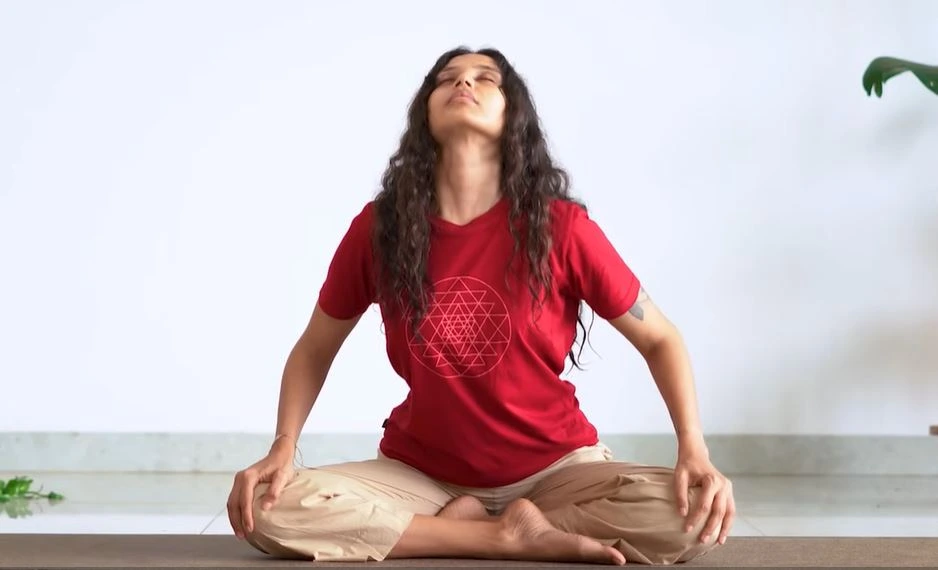
- Easy sitting stretch
These moves improve flexibility and calm the mind.
Even 15 minutes daily can make a difference.
Focus on slow and controlled form.
Do not rush each movement.
Breathing for Mental Wellness
Breathing controls your energy and stress level.
Slow breathing helps the mind relax.
Try this simple method:
- Inhale for 4 seconds
- Hold for 4 seconds
- Exhale for 6 seconds
Repeat for a few minutes daily.
This improves mental clarity and reduces tension.
Physical Benefits of Yoga
Yoga improves more than mental health.
It also supports physical fitness.
Benefits include:
- Better posture
- Increased flexibility
- Improved strength
- Better balance
It also supports recovery after workout sessions or gym training.
Yoga for Stress Relief
Stress builds up from work, family, and daily pressure.
Yoga helps release that tension.
Even short sessions in the morning or nights help.
You feel lighter and more focused afterward.
Adding yoga to your routine improves emotional stability.
It supports long-term mental wellness.
Yoga in Daily Life
You don’t need a studio or center to practice.
You can do yoga at home easily.
Use a quiet space.
Keep your time consistent daily.
Some people also combine yoga with swim, walking, or light training.
This improves overall health and energy.
Yoga with Family and Community
Yoga works well in groups.
Practicing with family increases motivation.
You can also join a club, forum, or local classes.
Many coach-led sessions help beginners learn faster.
Community practice builds consistency and fun.
Common Mistakes in Yoga
Many beginners rush progress.
That reduces benefits.
Avoid:
- Fast movements
- Wrong form
- Skipping breathing control
- Overstretching
Yoga works best when slow and controlled.
Tracking Your Progress
Use a simple tracker for consistency.
Note how you feel after each session.
Track:
- Stress level
- Focus improvement
- Flexibility changes
This helps you understand your progress in mental wellness.
Yoga and Lifestyle Balance
Yoga improves your overall life quality.
It connects body, mind, and daily habits.
People who practice regularly feel more balanced.
They handle stress better at work and home.
Even athletes in basketball, volleyball, or beach training use yoga for recovery.
Pros and Cons of Yoga
Pros
- Reduces stress
- Improves focus
- Supports health and flexibility
- Easy to start anywhere
Cons
- Results take consistency
- Requires daily discipline
- Needs patience for progress
Final Thoughts
Yoga is simple but powerful.
It improves both mental wellness and physical fitness.
Start small and stay consistent.
Focus on breathing and control.
You will feel changes in your mind and body over time.